
Business — International
Savback and Dufour sign a protocol for three Aero-200 in Sweden
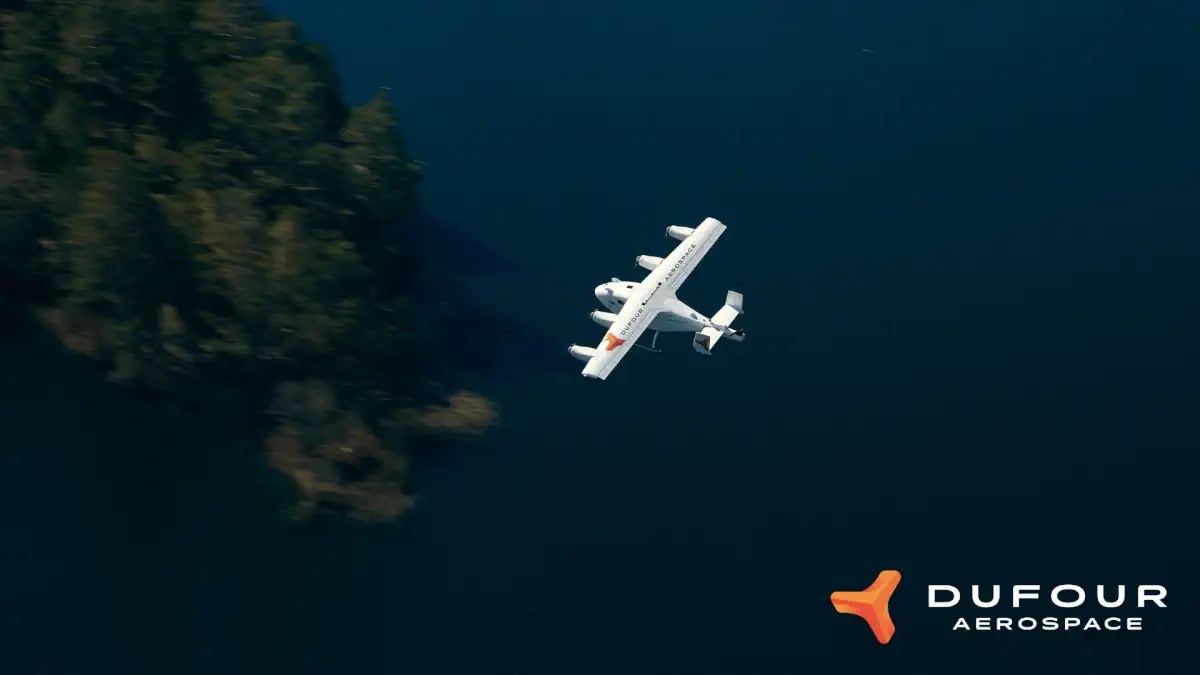
Three Aero-200s announced for a Swedish logistics network
Savback Helicopters and Dufour Aerospace have signed a memorandum of understanding on the planned acquisition of three Aero-200s, subject to operating conditions. The document does not constitute a firm order. Savback, based in Jönköping, would handle the commercial operation of the network. Dufour would supply the aircraft and its flight control system. The Swedish company claims 35 years of activity in aviation and knowledge of the Nordic market.
The timetable separates two financial years. 2026 covers preparation: coordination with the Swedish aviation authorities, infrastructure planning, training and operational trials. 2027 should see the commercial launch on fixed routes, for medical, industrial and public safety or defence freight. Dufour already operates aircraft in Västervik, Sweden, which gives the partnership a prior test base.
There is no previous generation of Aero-200 in the Swedish fleet. Savback is not replacing a fleet; it is opening a line. The compatibility to be verified concerns integration into existing routes and authorisations to fly beyond visual line of sight (BVLOS).
20 kg over 200 km, up to 500 km with a reduced payload
The first version of the Aero-200 typically carries 20 kg of commercial payload over 200 km. With a lighter payload, the stated distance rises to 500 km. The aircraft combines vertical take-off and tilt-wing cruise. This architecture targets isolated sites and rapid links that Swedish geography imposes.
The partnership's communication gives neither maximum take-off mass, nor cruising speed, nor endurance in hours, nor cargo hold volume, nor limiting weather conditions, nor targeted certification level. The unit price is not mentioned. Nor is the amount of the investment planned by Savback.
The Swedish sector is progressing, advanced operations decline
The annual survey by Transportföretagen and Svenska Drönarnätverket, conducted from 25 June to 3 August 2026, follows that of 3 June to 2 July 2025. It was sent to 3,834 organisations in 2026, compared with 3,560 in 2025. Responses rose from 265 to 378, a rate of 9.9% against 7.4%. The operator register grew by 7.7% between the two editions, with an identical sampling scope.
The 2026 questionnaire is more extensive. The sector classification was revised, with a harmonisation key allowing comparison with 2025. New blocks cover respondents' role in the ecosystem, BVLOS status and skills needs by function. Two 2025 questions have disappeared: revenue per flight hour and electronic conspicuity.
The results outline an industry that is structuring itself. Profitability is improving, regulatory compliance is progressing, and the outlook is more favourable. Size remains small: 10.6% of organisations have 250 employees or more, and 0.3% have 250 pilots or more. The built environment accounts for 24.3% of respondents, closely followed by consultancy and technical services at 23.0%.
Progress is not uniform. Operators in the Specific and Certified categories see several of their main obstacles worsening. The Swedish Transport Agency's lead times are judged almost twice as burdensome by these operators as by those in the Open category. Sweden remains behind Denmark, Norway and Finland in the number of operational authorisations per registered operator. Permits for the dissemination of aerial images remain the leading obstacle, ahead of lead times and rule design.
Price, availability and field feedback still to be obtained
Three elements are missing to assess the operation. The price of the aircraft and the amount of the planned acquisition are not public. The availability of the first three units is not dated beyond the 2026 phase. No operational feedback on the Aero-200 in Swedish conditions is available, apart from Dufour's experience in Västervik.
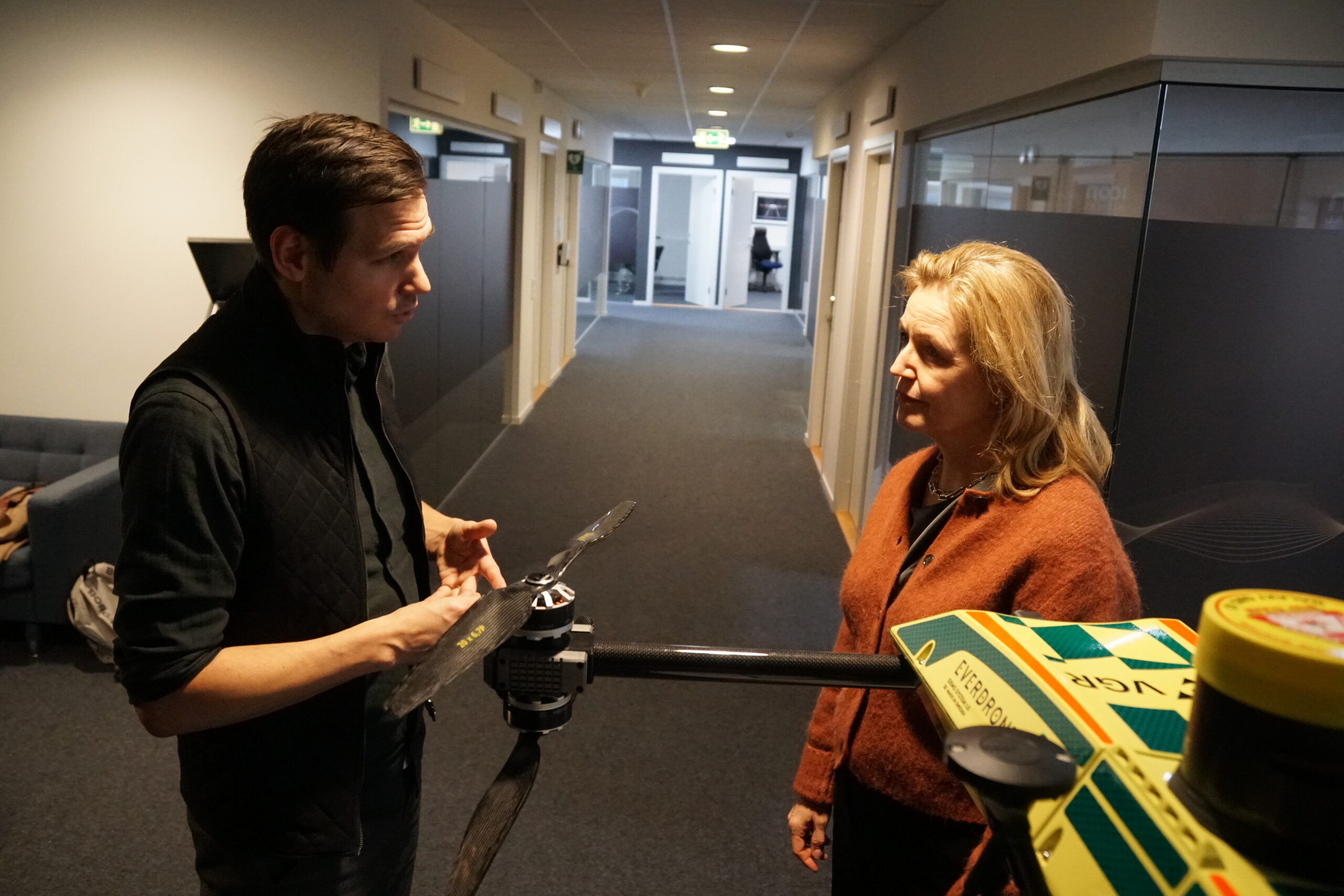
The administrative context weighs on the timetable. Everdrone, which operates medical drones from Västra Frölunda, says Swedish authorities take seven months to begin processing a permit application, compared with a few months in Norway. The company presented this comparison in December 2025, during a visit by Centre Party leader Elisabeth Thand Ringqvist.
← Back to home · Search · Suggest a topic · Lire en français / Read in French